



The Payments
Orchestration Playbook
As software, fintech, and partner ecosystems embedded payments into more products, the operations layer never caught up. Teams still juggle disconnected apps, portals, and spreadsheets just to activate merchants or reconcile revenue — creating delays, data gaps, and lost margin.
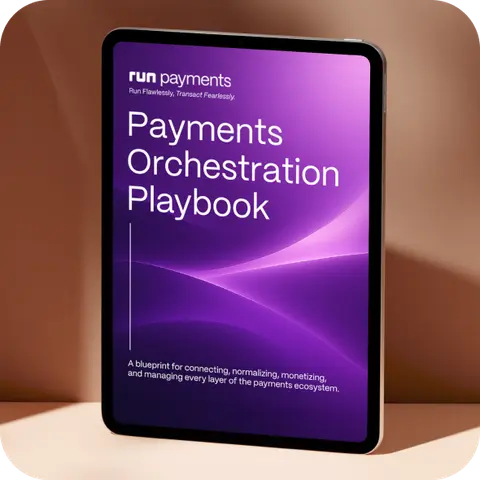
The Payments Orchestration Playbook reframes payments as a connected system — one unified layer that links origination, activation, reporting, support, and residuals into a repeatable, scalable flow.
Unlocking Your Full Payments Potential
The Playbook outlines how leading software companies run payments right — connecting every layer of the merchant lifecycle into one operational flow. From activation speed to data clarity to partner payouts, this is the system behind modern payments performance.
The Six Pillars
We'll break down the six pillars of a connected payments operation — from how leads become merchants to how revenue flows back through your platform.
We'll break down the six pillars of a connected payments operation — from how leads become merchants to how revenue flows back through your platform.
- Modern Merchant Origination
Embed payments directly at signup.
- Accelerated Activation
Automate underwriting and boarding across processors.
- Unified Portfolio Intelligence
Normalize data for real-time visibility.
- Integrated Support Layer
Connect ticketing, communication, and reporting.
- Residual Engine
Automate commissions with transparency and precision.
- Merchant Experience Hub
Give merchants unified access to every transaction.
- Get your free Playbook
Your Payments Orchestration
Playbook awaits.
Connect with RUN today, and get your free Payments Orchestration Playbook sent straight to your inbox.
Free Playbook